
Overview:
|
Bringing home a new baby comes with many physical changes, but bladder problems are often among the most unexpected. For some women, this may mean leaking urine when coughing or laughing. Others may experience a sudden urge to urinate, frequent bathroom trips or difficulty fully emptying the bladder. While these symptoms can feel embarrassing or frustrating, they are more common after childbirth than many mothers realise.
Pregnancy and delivery place significant strain on the bladder, pelvic floor muscles and surrounding nerves. As the body recovers, temporary bladder symptoms may occur. While postpartum bladder symptoms are common, persistent symptoms should not be considered a normal or unavoidable part of motherhood. Not all postpartum bladder problems resolve on their own, and ongoing symptoms can affect a woman’s comfort, confidence and quality of life.
Types of Postpartum Bladder Problems at a Glance
| Condition | Common Symptoms |
| Stress urinary incontinence | Leakage when coughing, sneezing or exercising |
| Overactive bladder | Sudden urgency and frequent urination |
| Urinary retention | Difficulty emptying the bladder |
| Urinary tract infection | Burning, urgency, cloudy urine |
| Bladder prolapse | Vaginal pressure, bulge sensation |
What Happens to the Bladder During Pregnancy and Childbirth?
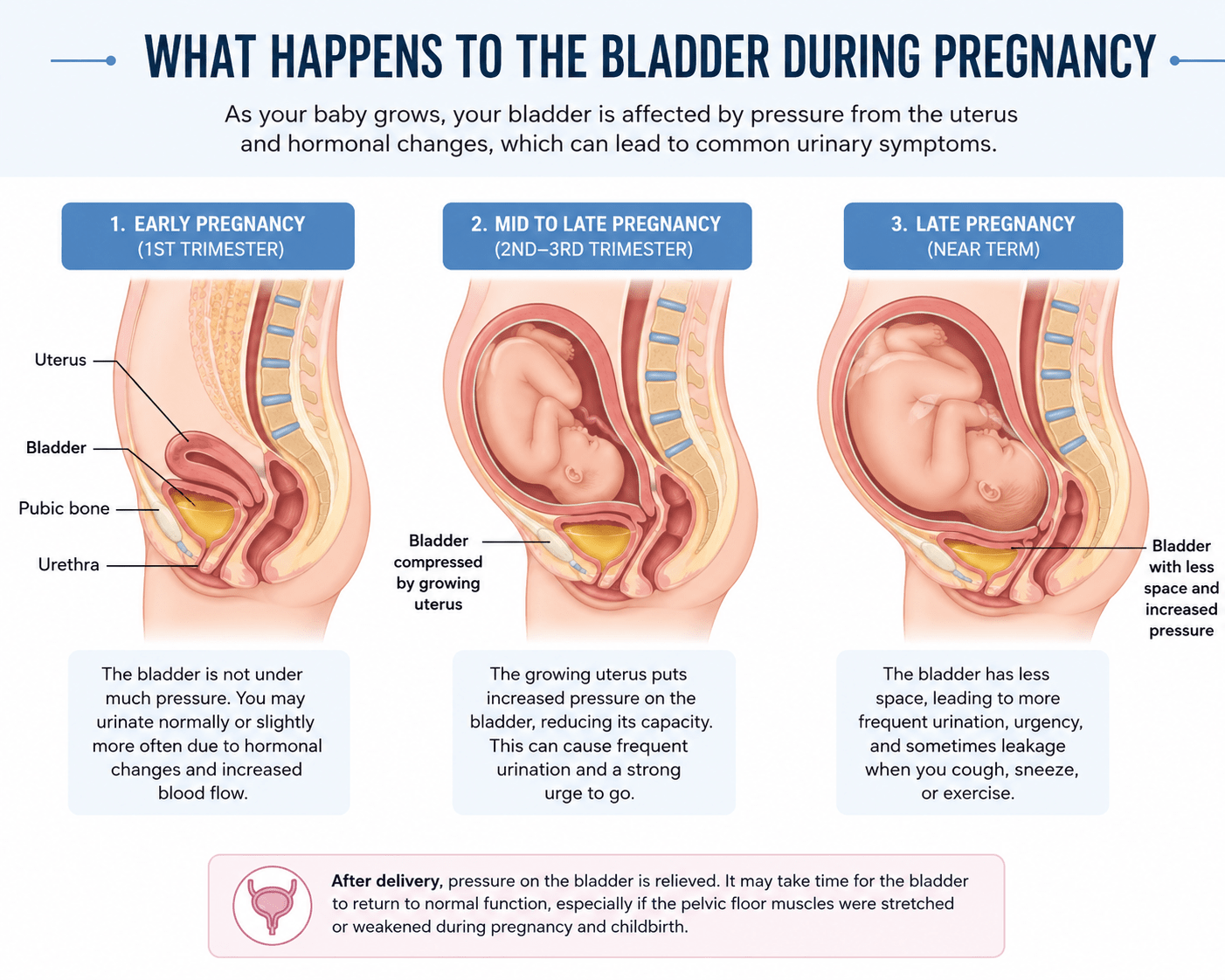
Pregnancy and childbirth place considerable demands on the urinary system and pelvic floor. Throughout pregnancy, the growing uterus exerts increasing pressure on the bladder, reducing its capacity and often causing frequent urination [1]. Hormonal changes also affect the muscles and connective tissues that support the pelvic organs, which makes them more flexible in preparation for delivery.
During vaginal childbirth, the pelvic floor muscles, nerves and supportive tissues can become stretched or injured as the baby passes through the birth canal [2]. These structures play a crucial role in maintaining bladder control and supporting the bladder in its normal position. As a result, some women experience urinary leakage, urgency or difficulty emptying the bladder during the postpartum period.
Although bladder symptoms are often associated with vaginal delivery, women who undergo a cesarean section are not completely protected. Pregnancy itself can weaken the pelvic floor and alter bladder function, meaning bladder-related symptoms may still develop after a C-section [3]. While many women recover as healing progresses, some symptoms persist and require further evaluation.
What Are the Most Common Postpartum Bladder Problems?
Postpartum bladder problems can affect women in different ways depending on how pregnancy and childbirth have impacted the bladder, pelvic floor muscles, and surrounding nerves. While some symptoms resolve as the body heals, others may persist and interfere with daily activities, exercise, sleep, and overall quality of life.
Urinary Incontinence (Bladder Leakage)
Urinary leakage after childbirth is one of the most common postpartum bladder complaints [4]. Known as urinary incontinence, this occurs when women lose bladder control and leak urine unintentionally. The most common form is stress urinary incontinence, which occurs when physical activities increase pressure within the abdomen and bladder.
Women may notice leakage when:
- Coughing
- Sneezing
- Laughing
- Lifting their baby
- Exercising
- Running or jumping
This typically develops because the pelvic floor muscles and supportive tissues have been stretched or weakened during pregnancy and childbirth. Although mild symptoms may improve over time, persistent leakage should be evaluated by a healthcare professional.
Overactive Bladder and Urinary Urgency
Some women develop symptoms of an overactive bladder following childbirth. This condition causes a sudden and difficult-to-control urge to urinate, even when the bladder is not full.
Common symptoms include:
- A strong urge to urinate
- Difficulty delaying urination
- Frequent trips to the bathroom
- Leakage associated with urgency (urge incontinence)
These symptoms may result from temporary nerve changes, pelvic floor dysfunction, or alterations in bladder signalling after delivery.
Frequent Urination
Many women experience increased urinary frequency during the postpartum period [5]. While frequent urination is common in the first few weeks as the body eliminates excess pregnancy-related fluid, symptoms that persist beyond recovery may indicate an underlying bladder issue.
Women may find themselves:
- Urinating more often during the day
- Visiting the toilet every one to two hours
- Waking multiple times at night to urinate (nocturia)
Persistent urinary frequency can be associated with overactive bladder, bladder irritation, pelvic floor dysfunction or urinary tract infections.
Postpartum Urinary Retention
Postpartum urinary retention refers to difficulty emptying the bladder completely after childbirth [6]. This condition may occur when bladder sensation is reduced or when swelling and pelvic floor dysfunction interfere with normal bladder emptying.
Symptoms may include:
- Difficulty starting urination
- A weak urine stream
- Straining to empty the bladder
- A feeling of incomplete emptying
- Lower abdominal discomfort or pressure
If left untreated, urinary retention can increase the risk of urinary tract infections and bladder complications.
Painful Urination and Urinary Tract Infections
Pain, discomfort or a burning sensation during urination may occur during postpartum recovery, particularly in women with perineal tears, episiotomies, or recent catheterisation. However, these symptoms can also indicate a urinary tract infection (UTI).
Other symptoms of a UTI may include [7]:
- Frequent urination
- Urgency
- Cloudy or foul-smelling urine
- Pelvic discomfort
- Fever in more severe cases
Prompt treatment is important to prevent the infection from spreading to the kidneys.
Pelvic Organ Prolapse and Bladder Prolapse
Childbirth can weaken the pelvic floor muscles and connective tissues that support the pelvic organs. In some women, this may lead to pelvic organ prolapse, where one or more pelvic organs descend from their normal position [8].
A cystocele, or bladder prolapse, occurs when the bladder bulges into the vaginal wall.
Symptoms may include:
- A sensation of vaginal heaviness or pressure
- Feeling a bulge in the vagina
- Difficulty emptying the bladder
- Increased urinary frequency
- Discomfort during physical activity
While mild prolapse may improve with pelvic floor rehabilitation, more significant cases may require specialist treatment.
Are Certain Women More Likely to Develop Postpartum Bladder Problems?
Although postpartum bladder symptoms can affect any new mother, certain factors increase the likelihood of developing bladder dysfunction after childbirth.
Several pregnancy and delivery-related factors can place additional strain on the pelvic floor and bladder-supporting structures, increasing the risk of postpartum urinary symptoms.
These risk factors include:
- Vaginal delivery
- Instrumental delivery using forceps or vacuum assistance
- Prolonged labour
- Delivering a large baby
- Multiple pregnancies or births
- Obesity
- Pre-existing pelvic floor weakness
- Previous pelvic surgery
- Chronic constipation or conditions that increase abdominal pressure
Having one or more risk factors does not necessarily mean a woman will develop postpartum bladder problems. However, women with persistent urinary symptoms, particularly those with multiple risk factors, may benefit from early assessment and treatment to prevent long-term bladder and pelvic floor complications.
How Long Do Postpartum Bladder Problems Usually Last?
The duration of postpartum bladder problems varies from woman to woman and depends on the type and severity of symptoms experienced. For many new mothers, mild urinary leakage, increased urinary frequency and temporary difficulty controlling the bladder improve within the first few weeks after delivery as swelling subsides and the pelvic floor muscles gradually recover.
However, recovery is not always immediate. The pelvic floor undergoes significant stretching and strain during pregnancy and childbirth, and it can take several months for these tissues to regain strength and function. While some women notice steady improvement within six to twelve weeks, others may continue to experience symptoms for months after giving birth.
Persistent urinary leakage, urgency, difficulty emptying the bladder or pelvic pressure beyond the early postpartum period should not be dismissed as a normal part of motherhood. In some cases, these symptoms may indicate underlying pelvic floor dysfunction, bladder prolapse, nerve injury or other conditions that can benefit from timely treatment. Seeking professional evaluation early can help prevent symptoms from becoming chronic and improve long-term bladder health.
When Should I See a Urologist or Urogynaecologist for Postpartum Bladder Problems?
Many postpartum bladder symptoms improve naturally as the body heals. However, some symptoms warrant medical attention, particularly if they persist, worsen, or interfere with daily activities. A consultation with a urologist or urogynaecologist can help identify the underlying cause and determine whether treatment is needed.
You should consider seeking specialist care if you experience:
- Urinary leakage that persists beyond 6 to 12 weeks after childbirth
- Difficulty emptying your bladder or a persistent sensation of incomplete emptying
- Recurrent urinary tract infections
- Blood in the urine
- A feeling of pelvic heaviness, pressure or a vaginal bulge
- Severe urinary urgency that disrupts daily activities
- Persistent pain, burning or discomfort during urination
- Symptoms that affect your quality of life, confidence, sleep or ability to care for your baby
Many women assume that bladder problems are simply something they must live with after childbirth. In reality, effective treatments are available, and early intervention often leads to better outcomes.
How are Postpartum Bladder Problems Diagnosed?
Diagnosing postpartum bladder problems begins with a thorough assessment of your symptoms, pregnancy history, delivery experience and overall pelvic floor health. Because several conditions can cause similar symptoms, an accurate diagnosis is important for developing an effective treatment plan.
Depending on your symptoms, your specialist may recommend one or more of the following evaluations:
- Medical History — Your doctor will ask about your pregnancy, mode of delivery, urinary symptoms, bowel habits, medical history and how the symptoms are affecting your daily life.
- Physical Examination — A physical examination may be performed to assess pelvic floor muscle strength, identify signs of pelvic organ prolapse and evaluate the bladder and surrounding pelvic structures.
- Urine Testing — A urine test can help detect urinary tract infections, blood in the urine, or other abnormalities that may be contributing to your symptoms.
- Bladder Scan — A bladder ultrasound scan may be used to determine how much urine remains in the bladder after urination, helping to identify urinary retention or incomplete bladder emptying.
- Uroflowmetry — This non-invasive test measures the speed and pattern of urine flow, providing useful information about bladder emptying and urinary tract function.
- Urodynamic Studies — Urodynamic testing evaluates how well the bladder stores and releases urine. It can help diagnose conditions such as stress urinary incontinence, overactive bladder and voiding dysfunction.
- Cystoscopy — In selected cases, a cystoscopy may be recommended. This procedure involves inserting a thin camera into the bladder to examine the bladder lining and urethra for abnormalities, inflammation, stones or other underlying causes of symptoms.
Following a comprehensive evaluation, your specialist can determine the cause of your postpartum bladder symptoms and recommend the most appropriate treatment approach.
What are the Treatment Options for Postpartum Bladder Problems?
Treatment often begins with conservative measures such as pelvic floor exercises and physiotherapy, although advanced non-surgical options, including Fotona laser therapy, medications and surgical interventions may be recommended depending on the underlying condition and symptom severity.
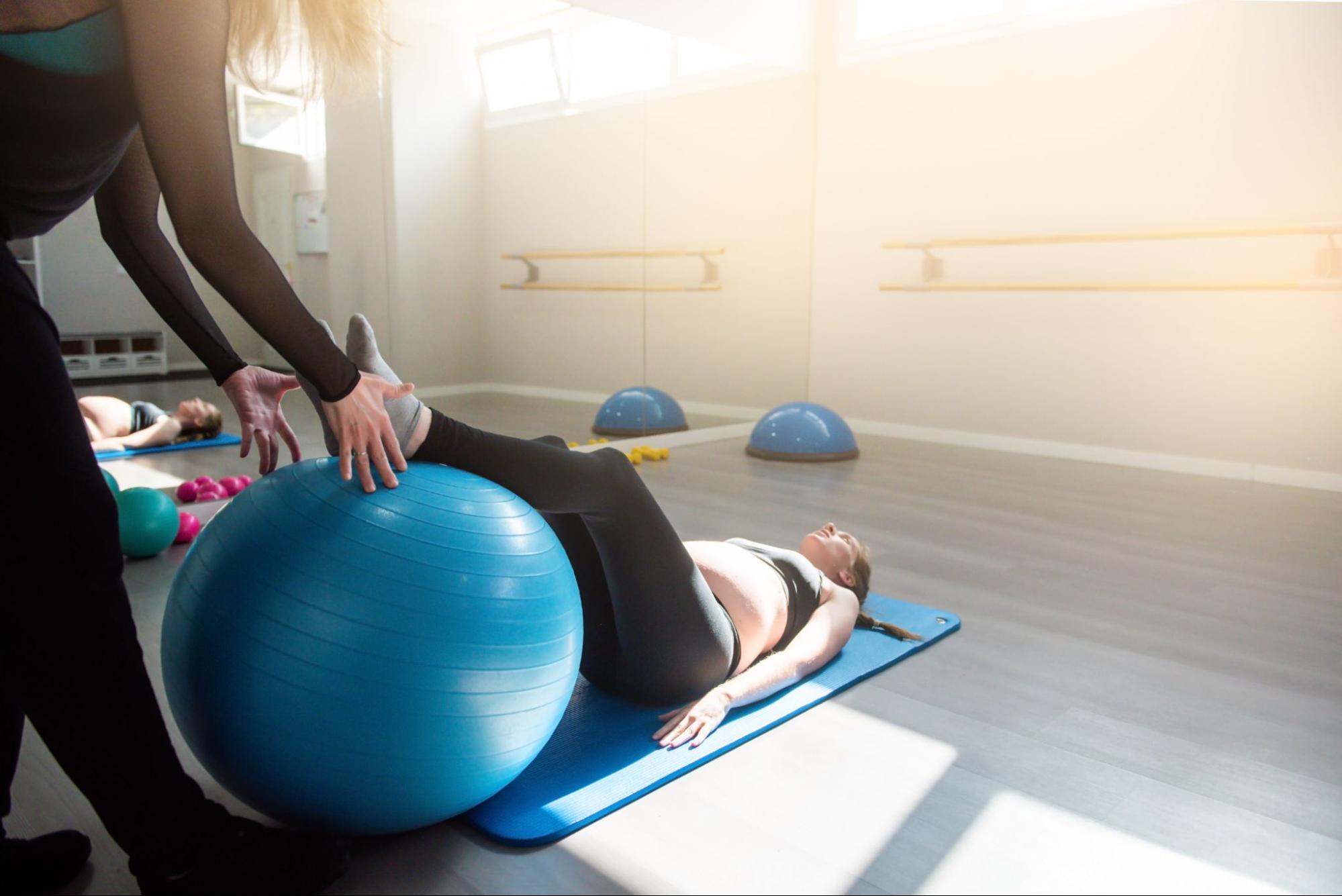
- Pelvic floor exercises (Kegel exercises) — Pelvic floor exercises are often the most recommended treatment option for postpartum urinary incontinence and mild pelvic floor dysfunction [9]. These exercises strengthen the muscles that support the bladder, urethra, uterus and rectum, which helps improve bladder control and reduce urine leakage.
- Pelvic floor physiotherapy — Pelvic floor physiotherapy provides a more specialised approach to rehabilitation. Therapy may include guided exercises, biofeedback training, muscle retraining techniques and strategies to improve bladder control and pelvic floor support.
- Fotona laser therapy — Fotona laser therapy is a non-surgical treatment that uses controlled laser energy to stimulate collagen remodelling and tissue tightening within the vaginal and pelvic tissues [10]. For some women experiencing mild stress urinary incontinence, vaginal laxity or early pelvic floor weakness after childbirth, it may help improve pelvic support and reduce urinary symptoms. The treatment is performed in the clinic without incisions and typically requires little to no downtime, which may be beneficial for new mothers seeking treatment while managing postpartum recovery and childcare responsibilities. While not suitable for every patient, Fotona laser therapy may be considered as part of a comprehensive treatment plan for postpartum bladder and pelvic floor concerns.
- Bladder training — Bladder training helps women regain control over urinary urgency and frequency. This approach involves gradually increasing the interval between bathroom visits to improve bladder capacity and reduce the sensation of needing to urinate urgently.
- Lifestyle and behavioural modifications — Certain lifestyle changes can help reduce bladder symptoms and support recovery. These may include maintaining a healthy weight, managing constipation, avoiding excessive caffeine and alcohol consumption, staying adequately hydrated and avoiding activities that place excessive strain on the pelvic floor.
- Medications — Medications may be recommended when symptoms such as urinary urgency, frequency or overactive bladder do not respond adequately to conservative measures alone. Depending on the diagnosis, medications may help calm bladder muscle overactivity, reduce urgency and improve bladder storage function.
- Pessary therapy — For women experiencing pelvic organ prolapse or bladder prolapse, a vaginal pessary may provide symptom relief [11]. A pessary is a removable medical device inserted into the vagina to support the pelvic organs and reduce sensations of pressure, heaviness or bulging. It can be an effective non-surgical treatment option for selected patients.
- Minimally invasive procedures — In some cases, minimally invasive procedures may be considered when conservative treatments fail to provide sufficient improvement. Depending on the underlying condition, options may include injectable therapies, neuromodulation techniques or other specialised interventions designed to improve bladder function and symptom control.
- Surgical treatment — Surgery is generally reserved for women with significant symptoms that do not improve with non-surgical treatment. Surgery may be recommended for conditions such as severe stress urinary incontinence or advanced pelvic organ prolapse. The specific procedure will depend on the underlying diagnosis, symptom severity and the patient’s individual treatment goals.
With early diagnosis and appropriate treatment, most women can achieve significant improvement in postpartum bladder symptoms and return to their normal daily activities with greater comfort and confidence.
Can Postpartum Bladder Problems Be Prevented?
While it may not be possible to prevent all postpartum bladder problems, there are steps women can take during pregnancy and after childbirth to support pelvic floor health and reduce their risk of developing persistent urinary symptoms.
Maintaining strong pelvic floor muscles, adopting healthy lifestyle habits, and seeking early intervention when symptoms arise can all contribute to better bladder function and recovery. Some strategies that may help include:
- Performing pelvic floor exercises during and after pregnancy
- Maintaining a healthy pregnancy weight
- Managing constipation to reduce strain on the pelvic floor
- Staying physically active with pregnancy-safe exercises
- Avoiding heavy lifting during the postpartum recovery period
- Practising good bladder habits and avoiding “just-in-case” urination
- Seeking pelvic floor physiotherapy when recommended
- Attending postpartum follow-up appointments
- Addressing urinary symptoms early rather than waiting for them to worsen
Although these measures cannot eliminate the risk entirely, they can help support recovery and reduce the likelihood of long-term bladder and pelvic floor dysfunction.
Key Takeaway
Postpartum bladder problems are common, but they should never be dismissed as an inevitable or permanent consequence of childbirth. Symptoms such as urinary leakage, urgency, frequent urination, difficulty emptying the bladder, recurrent urinary tract infections or a sensation of pelvic heaviness can significantly affect a woman’s comfort, confidence and quality of life during an already demanding period of adjustment.
While many bladder symptoms improve naturally as the body heals, persistent or worsening symptoms may indicate an underlying condition that requires professional evaluation. Early diagnosis and treatment can help prevent long-term complications and provide effective relief through pelvic floor rehabilitation, lifestyle modifications, medication or other specialised treatments when necessary.
If you are experiencing postpartum bladder problems that are affecting your daily activities or recovery, schedule a consultation with our Female Urology Specialist, Dr Fiona Wu for a comprehensive assessment and personalised treatment plan. With timely care and expert guidance, it is possible to restore bladder function, improve pelvic floor health and regain confidence after childbirth.
References
- Beyazıt, A., Hakverdi, A. U., & Gözükara, K. H. (2023). The effect of pregnancy on urinary symptoms. Cureus, 15(8), e44232. https://doi.org/10.7759/cureus.44232
- DELANCEY, J. O. L., MASTELING, M., PIPITONE, F., LACROSS, J., MASTROVITO, S., & ASHTON-MILLER, J. A. (2024). Pelvic floor injury during vaginal birth is life-altering and preventable; what can we do about it? American Journal of Obstetrics and Gynecology, 230(3), 279-294.e2. https://doi.org/10.1016/j.ajog.2023.11.1253
- Cacciatore, A., Giordano, R., Romano, M., La Rosa, B., & Fonti, I. (2010). Putative protective effects of cesarean section on pelvic floor disorders. Journal of Prenatal Medicine, 4(1), 1–4. https://www.ncbi.nlm.nih.gov/pmc/articles/PMC3263935/
- Moossdorff-Steinhauser, H. F. A., Berghmans, B. C. M., Spaanderman, M. E. A., & Bols, E. M. J. (2021). Prevalence, incidence and bothersomeness of urinary incontinence between 6 weeks and 1 year post-partum: A systematic review and meta-analysis. International Urogynecology Journal, 32(7), 1675–1693. https://doi.org/10.1007/s00192-021-04877-w
- Koomson, G., Mgolozeli, S. E., & Mshunqane, N. (2025). Prevalence of urinary incontinence in postpartum women and physiotherapy interventions applied: An integrative review. International Journal of Gynaecology and Obstetrics: The Official Organ of the International Federation of Gynaecology and Obstetrics, 168(3), 965–977. https://doi.org/10.1002/ijgo.15950
- Mohr, S., Raio, L., Gobrecht-Keller, U., Imboden, S., Mueller, M. D., & Kuhn, A. (2022). Postpartum urinary retention: What are the sequelae? A long-term study and review of the literature. International Urogynecology Journal, 33(6), 1601–1608. https://doi.org/10.1007/s00192-021-05074-5
- Schwartz, M. A., Wang, C. C., Eckert, L. O., & Critchlow, C. W. (1999). Risk factors for urinary tract infection in the postpartum period. American Journal of Obstetrics and Gynecology, 181(3), 547–553. https://doi.org/10.1016/s0002-9378(99)70491-6
- Memon, H. U., & Handa, V. L. (2013). Vaginal childbirth and pelvic floor disorders. Women’s Health (London, England), 9(3), 10.2217/whe.13.17. https://doi.org/10.2217/whe.13.17
- Woodley, S. J., Boyle, R., Cody, J. D., Mørkved, S., & Hay‐Smith, E. J. C. (2017). Pelvic floor muscle training for prevention and treatment of urinary and faecal incontinence in antenatal and postnatal women. The Cochrane Database of Systematic Reviews, 2017(12), CD007471. https://doi.org/10.1002/14651858.CD007471.pub3
- IncontiLase®. Stress urinary incontinence laser treatment. https://www.fotona.com/media/documents/90588_incontilase_leaflet_sui_leaflet_v4_15.pdf
- Jones, K. A., & Harmanli, O. (2010). Pessary use in pelvic organ prolapse and urinary incontinence. Reviews in Obstetrics and Gynecology, 3(1), 3–9. https://www.ncbi.nlm.nih.gov/pmc/articles/PMC2876320/
Frequently Asked Questions (FAQ)
Are postpartum bladder problems permanent?
Not necessarily. Many women experience improvement within weeks to months after childbirth. However, persistent symptoms such as urinary leakage, urgency or bladder prolapse may require treatment.
How common are bladder problems after childbirth?
Bladder problems are common after pregnancy and childbirth, particularly urinary leakage and urgency. Symptoms may occur temporarily during recovery or persist if pelvic floor dysfunction develops.