
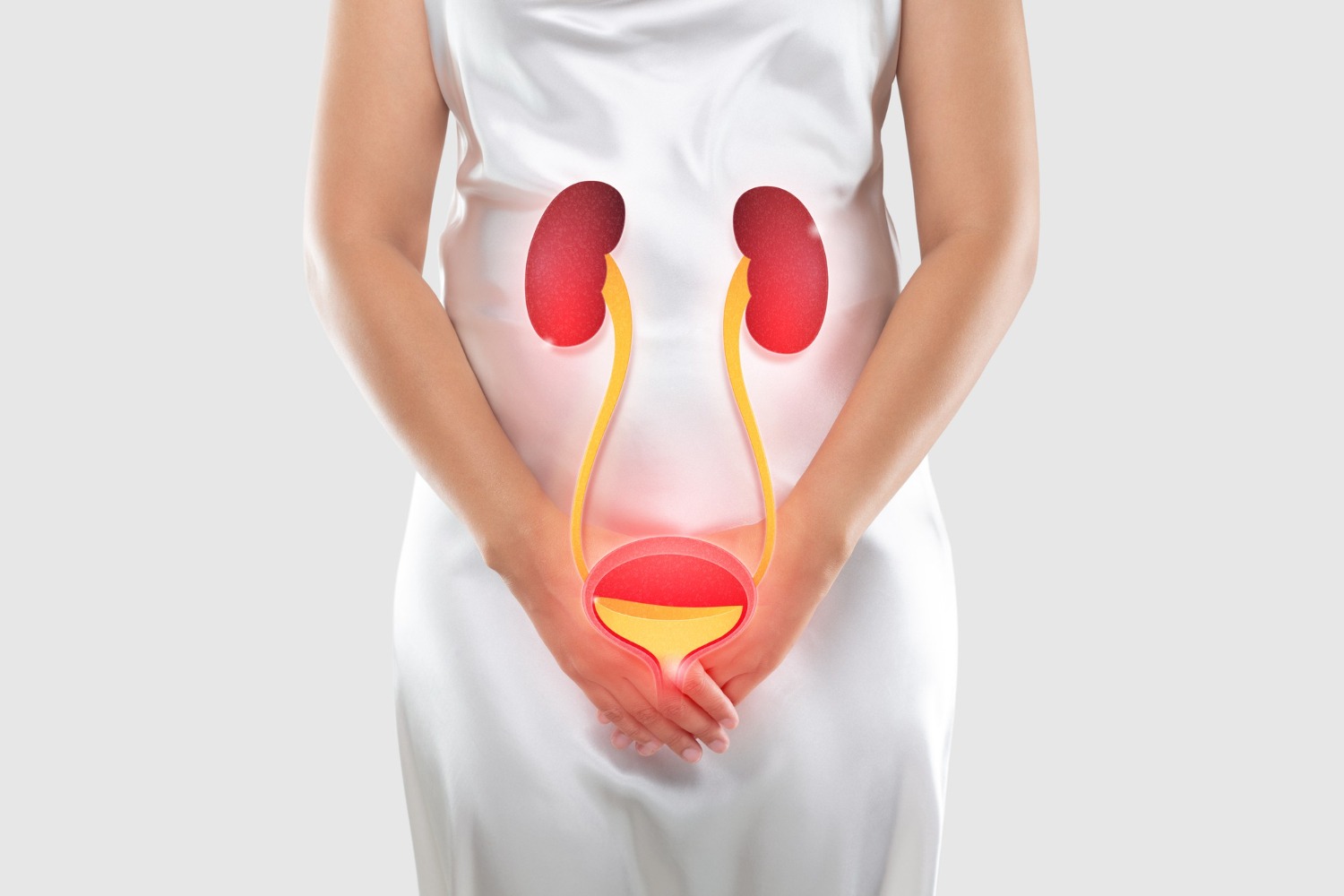
Urinary leakage after childbirth is something many women experience, especially when coughing, laughing, sneezing, exercising, or lifting their baby. While postpartum urinary incontinence is common, it should not simply be accepted as a normal part of motherhood.
Speaking on CNA938’s The Wellness Hour, Dr Fiona Wu, Senior Consultant Urologist and Medical Director at AARE Urocare, reminds women of one important message:
“What’s common is not always normal.”
Many women delay seeking help because they assume bladder leakage will eventually improve on its own or that nothing can be done. In reality, many cases can be effectively managed with the right assessment and treatment.
Why Does Urine Leakage Happen After Childbirth?
Pregnancy and childbirth place significant strain on the pelvic floor muscles, connective tissues, and nerves that support the bladder and urethra.
While weakened pelvic floor support is a common cause, not all postpartum urinary incontinence is the same. Some women may experience stress urinary incontinence, while others develop bladder overactivity or other urinary conditions that require a different approach to management.
Several factors may increase the likelihood of postpartum urinary incontinence, including:
- Vaginal delivery
- Instrument-assisted delivery (forceps or vacuum)
- Multiple pregnancies or deliveries
- Larger birthweight babies
- Increasing maternal age
- Obesity
- Pre-existing pelvic floor weakness
However, these are risk factors—not guarantees. Women without these factors can also experience bladder leakage after childbirth.
When Should You Seek Medical Advice?
Some improvement may occur during the early weeks and months after delivery as the body recovers. However, it is worth seeking medical assessment if urinary leakage:
- Persists beyond the early postpartum recovery period
- Affects work, exercise, sleep, or daily activities
- Is becoming more severe
- Is associated with recurrent urinary tract infections
- Occurs together with difficulty emptying the bladder or pelvic heaviness
Early assessment helps identify the underlying cause and allows treatment to be tailored to each woman’s symptoms and lifestyle.
What Treatment Options Are Available?
Treatment depends on the cause of the urinary incontinence and may include:
- Lifestyle and behavioural modifications
- Bladder training
- Pelvic floor physiotherapy
- Medication where appropriate
- Minimally invasive procedures
- Surgical treatment in selected cases
Pelvic floor exercises can be highly beneficial for many women, but they are not the right solution for every type of bladder leakage. This is why an individual assessment remains important.
Key Takeaway
What’s common is not always normal.
While urinary leakage after childbirth is common, many women can improve with appropriate assessment and treatment. If symptoms persist or begin affecting your quality of life, don’t assume you simply have to live with them.
Common Questions About Postpartum Urinary Incontinence
Is it normal to leak urine after childbirth?
Urinary leakage after childbirth is common, but persistent symptoms should not automatically be accepted as normal. Many women can improve with appropriate assessment and treatment.
How long does postpartum urinary incontinence last?
Some women improve during the first few weeks or months after childbirth. If symptoms persist or worsen, medical assessment is recommended.
Can postpartum urinary incontinence be treated?
Yes. Depending on the underlying cause, treatment may include pelvic floor physiotherapy, bladder training, lifestyle changes, medication, minimally invasive procedures, or surgery in selected cases.
Are pelvic floor exercises enough?
Pelvic floor exercises are effective for many women, but not all urinary incontinence has the same cause. Some women may require additional treatment approaches.
When should I see a urologist?
If bladder leakage persists, affects your daily life, or is associated with recurrent urinary tract infections, difficulty emptying the bladder, or pelvic heaviness, it is advisable to seek medical assessment.
🎧 Listen to the Full CNA938 Interview
In this episode of CNA938’s The Wellness Hour, Dr Fiona Wu speaks with Cheryl Goh about postpartum urinary incontinence, why women should not simply accept bladder leakage after childbirth, and the treatment options available today.
Listen to the full interview below.