
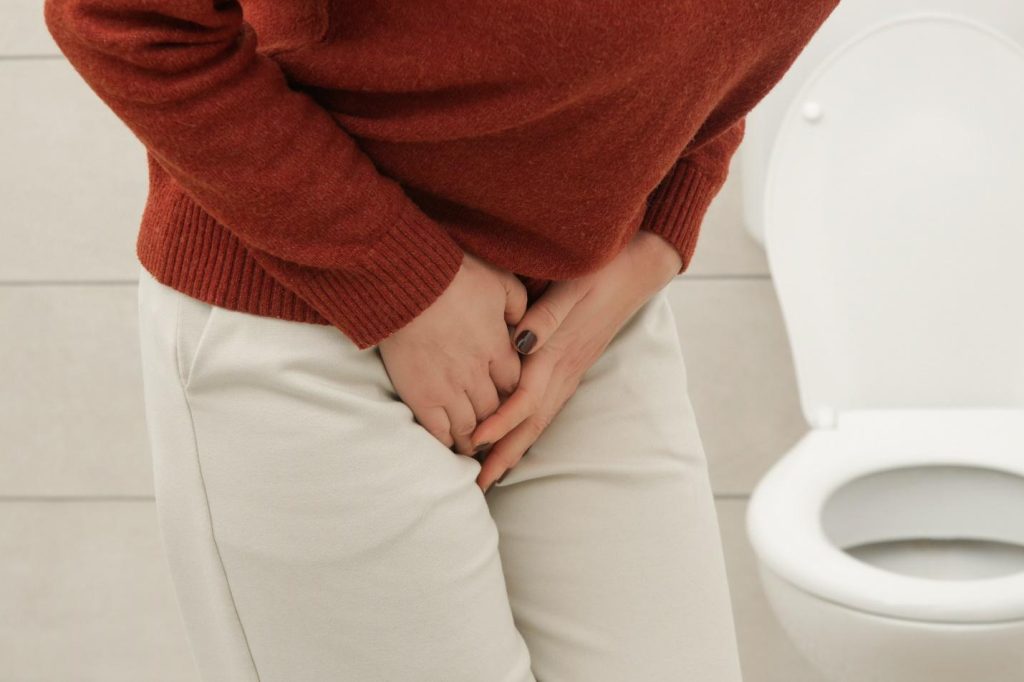
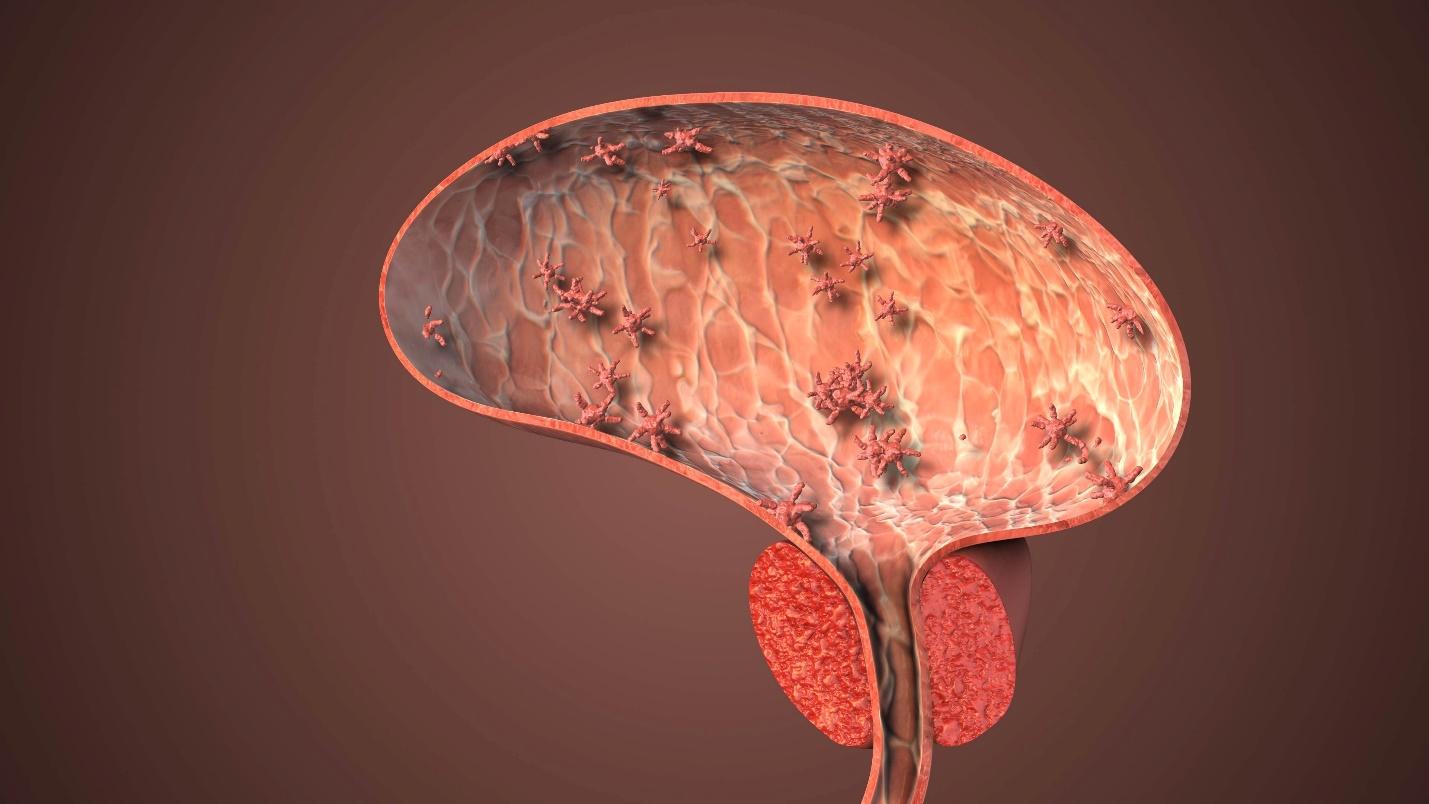
A urinary tract infection (UTI) is one of the most common bacterial infections, particularly among women. While many people recover completely after a short course of antibiotics, others find themselves caught in a frustrating cycle where symptoms repeatedly return. Burning during urination, frequent urges to pass urine and pelvic discomfort may improve temporarily, only to reappear weeks or months later.
Experiencing recurrent UTIs can be physically uncomfortable and emotionally draining. Many people begin to worry about travelling, exercising or even socialising because they are concerned another infection may develop unexpectedly. Repeated antibiotic treatment can also raise concerns about side effects, antibiotic resistance and whether the underlying cause is truly being addressed.
The good news is that recurrent UTIs are often preventable. Over the past decade, research has improved our understanding [1] of why some people experience repeated infections and which preventive strategies are most effective. Rather than relying solely on antibiotics whenever symptoms occur, many patients benefit from a more comprehensive approach that combines lifestyle measures, appropriate medical therapies and, where necessary, identifying any underlying conditions contributing to the infections.
What is considered a recurrent UTI?
Although a urinary tract infection is common and often resolves with appropriate treatment, repeated infections may indicate an increased susceptibility to bacteria entering or persisting within the urinary tract.
A recurrent UTI is generally defined as:
- Two or more episodes of a confirmed UTI within six months or
- Three or more episodes within one year
Importantly, recurrent UTIs are not always caused by the same infection returning. They are broadly classified into two types:
| TYPE | DESCRIPTION |
| Relapse | The original infection was not completely eradicated, allowing the same bacteria to persist and cause symptoms again, typically within a short period after treatment. |
| Reinfection | A new infection develops after the previous one has resolved. This may involve the same bacterial species or a different one and accounts for the majority of recurrent UTIs. |
Understanding the difference between relapse and reinfection is important because the underlying causes and therefore the appropriate management, may differ. For example, a relapse may prompt further investigation for persistent infection, urinary stones or structural abnormalities within the urinary tract. Reinfections, on the other hand, are often related to individual risk factors that increase the likelihood of bacteria repeatedly entering the urinary tract.
While recurrent UTIs are considerably more common in women [2] due to anatomical differences, they can also occur in men, particularly those with urinary obstruction, prostate enlargement or other underlying urological conditions. In either case, repeated infections should not simply be accepted as “normal”, especially if they continue despite appropriate treatment.
Recognising recurrent UTIs early allows preventive strategies to be introduced before infections become more frequent, severe or increasingly difficult to treat.
Why do some people keep getting UTIs?
Many patients wonder why they continue developing UTIs despite completing every course of antibiotics prescribed. In most cases, the antibiotics have successfully treated the infection itself, but they do not necessarily address why the infection developed in the first place [3].
The urinary tract has several natural defence mechanisms that help prevent infection. Regular urine flow helps flush bacteria out of the bladder before they can multiply, while the bladder lining, immune system and healthy balance of bacteria around the urinary tract provide additional protection. When one or more of these protective mechanisms is disrupted, bacteria, most commonly Escherichia coli (E. coli) from the bowel, can gain a foothold and trigger another infection.
Several factors are known to increase the risk of recurrent UTIs.
| Female anatomy | Women naturally have a shorter urethra than men [4], allowing bacteria to reach the bladder more easily. The urethral opening is also located closer to the anus, increasing the likelihood of bacteria entering the urinary tract. |
| Sexual activity | Sexual intercourse can introduce bacteria into the urethra [5], increasing the risk of infection in some individuals. Spermicides and diaphragms may further increase this risk in certain women. |
| Menopause | After menopause, declining oestrogen levels reduce protective vaginal bacteria and thin the tissues around the urinary tract [6], making infections more likely. |
| Incomplete bladder emptying | Urine left in the bladder provides bacteria with more time to multiply [7]. Incomplete emptying may occur because of bladder dysfunction, neurological conditions, pelvic organ prolapse or an enlarged prostate. |
| Urinary tract abnormalities and kidney stones | Structural abnormalities [8], kidney stones and bladder stones can disrupt normal urine flow or allow bacteria to persist, increasing the risk of recurrent infections. |
| Chronic medical conditions | Conditions such as diabetes [9] can impair the body’s natural defences or encourage bacterial growth, increasing susceptibility to recurrent UTIs. |
| Previous history of recurrent UTIs | People who have experienced recurrent UTIs are more likely to develop future infections. This may be related to bacteria persisting within the bladder lining, as well as individual genetic and immune factors. |
Evidence-based ways to prevent recurring UTIs
There is no single solution that can completely eliminate the risk of recurrent UTIs. The most effective prevention plan often depends on an individual’s risk factors, medical history and the underlying cause of their infections. For some people, simple lifestyle changes may be enough to reduce the frequency of UTIs. Others may benefit from medical therapies or further evaluation to identify conditions that predispose them to repeated infections.
By combining appropriate preventive measures with timely medical evaluation when needed, many people are able to break the cycle of recurrent infections and reduce their reliance on repeated antibiotic treatment.
#1 Stay well-hydrated

One of the simplest yet most effective ways to reduce the risk of recurrent UTIs is to stay adequately hydrated. Although drinking more water will not eliminate bacteria already causing an infection, maintaining good hydration can make it more difficult for bacteria to establish themselves within the urinary tract.
Every time you urinate, bacteria that have entered the bladder may be flushed out before they have an opportunity to multiply [10] and trigger an infection. If urine remains in the bladder for prolonged periods, particularly when fluid intake is low, bacteria have more time to adhere to the bladder lining and proliferate.
Key takeaway
Staying well hydrated supports the body’s natural ability to flush bacteria from the urinary tract and has been shown to reduce recurrent UTIs in people with low baseline fluid intake. While hydration alone is unlikely to prevent every infection, it remains one of the easiest and most evidence-supported lifestyle measures to adopt.
#2 Avoid holding your urine for long periods

Holding urine for prolonged periods allows bacteria more time to remain within the bladder. Given sufficient time, these bacteria can attach to the bladder lining, multiply and trigger an infection. Although healthy individuals occasionally delay using the toilet without consequence, frequently doing so may increase the risk of recurrent UTIs, particularly in people who are already susceptible.
For most adults, urinating every three to four hours during the day is generally considered normal, although individual patterns naturally vary. Rather than following a strict schedule, it is usually more helpful to respond to your body’s natural urge to urinate instead of consistently postponing it.
For women who experience UTIs associated with sexual activity, urinating soon after intercourse is commonly recommended. The rationale is that passing urine may help flush out bacteria that have entered the urethra during intercourse before they travel into the bladder. It is equally important to ensure that the bladder empties as completely as possible. Certain conditions, including bladder dysfunction, pelvic organ prolapse, neurological disorders and an enlarged prostate in men, may prevent complete bladder emptying, allowing residual urine to remain behind. If incomplete bladder emptying is contributing to recurrent infections, treating the underlying condition is often more effective than repeatedly treating each UTI with antibiotics alone.
Key takeaway
Avoiding prolonged urine retention and emptying your bladder regularly may help reduce bacterial growth within the urinary tract. If you frequently feel unable to empty your bladder completely or continue developing recurrent UTIs despite healthy bladder habits, further assessment by a urologist may be appropriate.
#3 Adopt healthy urinary and intimate hygiene habits

Many people believe recurrent UTIs are caused by poor personal hygiene. In reality, this is rarely the case. Most UTIs occur when bacteria that normally live harmlessly in the gastrointestinal tract [11] enter the urinary tract, rather than because someone is “unclean.”
Instead of intensive cleansing or using antibacterial products, prevention focuses on reducing opportunities for bacteria to enter the urethra while preserving the body’s normal protective bacteria.
Several simple habits may help reduce the risk of infection:
- Wipe from front to back after using the toilet – this helps reduce the transfer of bacteria from the anal area towards the urethra.
- Avoid spermicides if you experience recurrent UTIs – spermicides may disrupt the normal vaginal bacterial flora, allowing bacteria associated with UTIs to become more established. Women who develop frequent UTIs after using spermicide-containing contraceptives may wish to discuss alternative contraceptive options with their doctor.
- Avoid vaginal douching or harsh intimate cleansing products – the vagina naturally maintains a balanced microbiome that helps protect against infection. Douching and heavily fragranced products may disturb this balance without providing any proven benefit in preventing UTIs.
- Manage constipation if it is present – constipation can place pressure on the bladder and interfere with complete bladder emptying. It may also alter the balance of bacteria within the bowel, indirectly increasing the likelihood of urinary infections.
- Wear comfortable, breathable underwear – while evidence linking underwear choice directly to recurrent UTIs remains limited, breathable fabrics may reduce prolonged moisture around the genital area and are generally recommended as part of good intimate health.
Key takeaway
Simple urinary and intimate hygiene habits may help reduce the transfer of bacteria into the urinary tract. However, excessive cleansing or using harsh intimate products has not been shown to prevent recurrent UTIs and may even disrupt the body’s natural protective environment.
#4 Consider cranberry products

Cranberry juice has long been promoted as a home remedy for preventing UTIs, but its effectiveness is often misunderstood. While cranberries are unlikely to treat an active infection, some evidence suggests that certain cranberry products may help reduce the risk of recurrent UTIs [13] in selected individuals.
The proposed benefit comes from naturally occurring compounds called proanthocyanidins (PACs), particularly type A PACs. These compounds are thought to reduce the ability of Escherichia coli (E. coli), the bacterium responsible for most UTIs, to adhere to the lining of the urinary tract. If bacteria are less able to attach to the bladder wall, they are more likely to be flushed out during urination before causing an infection.
Recent systematic reviews have found that cranberry products may modestly reduce the risk of recurrent symptomatic UTIs [14], particularly in women with a history of recurrent infections. However, the evidence is not entirely consistent, partly because studies have used different cranberry formulations, dosages and concentrations of active ingredients.
Key takeaway
Cranberry products may modestly reduce the risk of recurrent UTIs in some people, particularly women with recurrent uncomplicated infections. However, they should be viewed as one component of a broader prevention strategy rather than a replacement for appropriate medical care.
#5 Vaginal oestrogen therapy for postmenopausal women

Before menopause, healthy vaginal bacteria help maintain an acidic environment that discourages the growth of bacteria associated with UTIs. As oestrogen levels decline, these protective bacteria become less abundant, allowing organisms to colonise more easily. At the same time, the tissues lining the vagina and lower urinary tract become thinner and more fragile, reducing their natural ability to resist infection.
For suitable postmenopausal women, topical vaginal oestrogen has been shown to reduce the frequency of recurrent UTIs by helping restore these protective changes. Unlike systemic hormone replacement therapy (HRT), vaginal oestrogen acts primarily within the local tissues and is absorbed into the bloodstream in much smaller amounts.
Key takeaway
Topical vaginal oestrogen is one of the most evidence-supported preventive options for postmenopausal women with recurrent UTIs. If menopause may be contributing to your infections, discussing this option with your doctor could form an important part of your long-term prevention plan.
#6 Try preventive antibiotics

Antibiotics are highly effective for treating bacterial UTIs, but they are not always the best long-term solution for preventing recurrent infections.
Repeated or unnecessary antibiotic [15] use may contribute to antibiotic resistance, making future infections more difficult to treat. Antibiotics can also disrupt the body’s normal bacterial flora, potentially increasing the risk of other infections or unwanted side effects.
For these reasons, current clinical guidelines [16] recommend considering non-antibiotic preventive strategies whenever appropriate before starting long-term antibiotic prophylaxis.
However, some patients continue to experience frequent UTIs despite lifestyle modifications and other preventive measures. In carefully selected cases, a doctor may recommend preventive antibiotic therapy.
Depending on the individual’s pattern of infection, this may include:
- Continuous low-dose antibiotics taken daily for a defined period.
- Post-coital antibiotics, for individuals whose UTIs consistently occur after sexual intercourse.
- Patient-initiated therapy, where selected patients begin antibiotics promptly after recognising typical symptoms, following guidance from their doctor.
Key takeaway
Preventive antibiotics remain an important option for some people with recurrent UTIs, but they are generally reserved for selected patients after other evidence-based preventive measures have been explored.
#7 Consider getting a UTI vaccine

For many years, preventing recurrent UTIs relied largely on lifestyle modifications and, where necessary, repeated courses of antibiotics. While these approaches remain important, concerns about increasing antibiotic resistance [17] have prompted researchers to explore alternative ways of preventing infections before they occur.
One example is Uromune (MV140), a sublingual bacterial vaccine that contains inactivated bacteria commonly associated with recurrent UTIs. It is administered as a spray under the tongue over a prescribed treatment period, allowing the immune system to develop a stronger defence against future infections.
Clinical studies have shown promising results, with many patients experiencing fewer recurrent UTIs and requiring fewer courses of antibiotics after treatment. However, a urologist will determine whether a UTI vaccine is appropriate based on your medical history and pattern of infections.
Key takeaway
For selected patients with recurrent UTIs, UTI vaccines such as Uromune offer a promising non-antibiotic approach that may reduce future infections and decrease the need for repeated antibiotic treatment.
When should you see a urologist for recurrent UTIs?
Not every urinary tract infection requires specialist care. However, if infections become frequent, difficult to treat or continue returning despite preventive measures, a consultation with a urologist may be beneficial.
You should consider seeking further evaluation if you experience:
- Two or more UTIs within six months
- Three or more UTIs within one year
- Symptoms that return soon after completing antibiotic treatment
- Repeated infections requiring multiple courses of antibiotics
- Blood in the urine (haematuria)
- Fever, chills or pain in the back or sides, which may suggest the infection has spread to the kidneys
- Difficulty emptying your bladder completely
- Recurrent UTIs after menopause
- Recurrent UTIs in men
- UTIs caused by antibiotic-resistant bacteria
During your consultation, Dr Fiona Wu will review your symptoms, previous urine culture results, medical history and any contributing risk factors. Depending on your circumstances, further investigations may be recommended to identify whether an underlying condition is contributing to the recurrent infections.
The goal is not simply to treat the next UTI, but to understand why the infections are recurring and develop a personalised plan to reduce the likelihood of future episodes.
Summary
Recurring UTIs can be frustrating, but they do not have to become an inevitable part of life. While no single strategy can completely prevent every infection, combining evidence-based lifestyle measures with appropriate medical treatment and addressing any underlying risk factors can significantly reduce the frequency of recurrent UTIs for many people.
If your infections continue to recur despite preventive measures, it may be time to look beyond repeated courses of antibiotics. Identifying why the infections keep recurring is often the key to developing a more effective long-term prevention plan.
At AARE Urology, Dr Fiona Wu takes a personalised approach to recurrent UTIs by identifying contributing factors, investigating underlying causes and recommending evidence-based prevention strategies tailored to each patient. If you are experiencing frequent or recurring UTIs, schedule a consultation to receive a comprehensive assessment and personalised management plan.
Frequently Asked Questions
Is cranberry juice enough to prevent recurrent UTIs?
Not usually. While some studies suggest cranberry products may modestly reduce the risk of recurrent UTIs in certain individuals, cranberry juice alone is unlikely to prevent all infections. Additionally, many commercially available cranberry juices contain added sugars and may not provide sufficient levels of the active compounds thought to be responsible for any protective effect.
Are probiotics effective for preventing recurrent UTIs?
Research into probiotics remains ongoing. Some studies suggest that certain Lactobacillus strains may help restore the normal vaginal microbiome and reduce recurrent UTIs in selected women. However, the evidence is still mixed and probiotics are not currently recommended as a standalone preventive treatment in most clinical guidelines.
Why do I keep getting UTIs after sexual intercourse?
Sexual activity can introduce bacteria into the urethra, increasing the likelihood of infection in some individuals. This does not necessarily indicate poor hygiene or a sexually transmitted infection. If your UTIs consistently occur after intercourse, your doctor may recommend preventive strategies such as post-coital urination, reviewing contraceptive methods or, in selected cases, post-coital antibiotic prophylaxis.
Can recurrent UTIs damage the kidneys?
Most uncomplicated lower UTIs (bladder infections) do not cause permanent kidney damage when treated promptly. However, infections that spread to the kidneys (pyelonephritis), particularly if recurrent or left untreated, can potentially lead to complications. Anyone experiencing fever, chills, nausea, vomiting or pain in the back or sides should seek medical attention promptly.
Is it safe to keep taking antibiotics for recurrent UTIs?
Antibiotics remain essential for treating bacterial UTIs, but repeated or unnecessary use can contribute to antibiotic resistance and other side effects. If you experience frequent infections, it is important to discuss long-term prevention strategies with your doctor rather than relying solely on repeated antibiotic treatment.
References
- Simenacz, A., Antoniou, V., & Somani, B. K. (2025). Review of non-antibiotic treatment and prevention of recurrent UTIs – a summary of current guidance and suggested treatment algorithm. Therapeutic advances in infectious disease, 12, 20499361251395915. https://doi.org/10.1177/20499361251395915
- Baimakhanova, B., Sadanov, A., Trenozhnikova, L., Balgimbaeva, A., Baimakhanova, G., Orasymbet, S., Tleubekova, D., Amangeldi, A., Turlybaeva, Z., Nurgaliyeva, Z., Seisebayeva, R., Kozhekenova, Z., Sairankyzy, S., Shynykul, Z., Yerkenova, S., & Turgumbayeva, A. (2025). Understanding the Burden and Management of Urinary Tract Infections in Women. Diseases (Basel, Switzerland), 13(2), 59. https://doi.org/10.3390/diseases13020059
- McLellan, L. K., & Hunstad, D. A. (2016). Urinary Tract Infection: Pathogenesis and Outlook. Trends in molecular medicine, 22(11), 946–957. https://doi.org/10.1016/j.molmed.2016.09.003
- Burrows L. L. (2024). It’s uncomplicated: Prevention of urinary tract infections in an era of increasing antibiotic resistance. PLoS pathogens, 20(2), e1011930. https://doi.org/10.1371/journal.ppat.1011930
- UTIs and urinating after sexual intercourse: What is the link? (2020, November 20). Www.medicalnewstoday.com. https://www.medicalnewstoday.com/articles/uti-urinating-after-sexual-intercourse
- The. (2025, February 21). The Connection Between Menopause and Urinary Tract Infections. Healthline; Healthline Media. https://www.healthline.com/health/menopause/uti
- Al-Badr, A., & Al-Shaikh, G. (2013). Recurrent Urinary Tract Infections Management in Women: A review. Sultan Qaboos University medical journal, 13(3), 359–367. https://doi.org/10.12816/0003256
- Nicolle, L. E., & AMMI Canada Guidelines Committee* (2005). Complicated urinary tract infection in adults. The Canadian journal of infectious diseases & medical microbiology = Journal canadien des maladies infectieuses et de la microbiologie medicale, 16(6), 349–360. https://doi.org/10.1155/2005/385768
- Nitzan, O., Elias, M., Chazan, B., & Saliba, W. (2015). Urinary tract infections in patients with type 2 diabetes mellitus: review of prevalence, diagnosis, and management. Diabetes, metabolic syndrome and obesity : targets and therapy, 8, 129–136. https://doi.org/10.2147/DMSO.S51792
- Booth, J., & Agnew, R. (2019). Evaluating a hydration intervention (DRInK Up) to prevent urinary tract infection in care home residents: A mixed methods exploratory study. Journal of frailty, sarcopenia and falls, 4(2), 36–44. https://doi.org/10.22540/JFSF-04-036
- Flores-Mireles, A. L., Walker, J. N., Caparon, M., & Hultgren, S. J. (2015). Urinary tract infections: epidemiology, mechanisms of infection and treatment options. Nature reviews. Microbiology, 13(5), 269–284. https://doi.org/10.1038/nrmicro3432
- Lohova-Matisa, E., Rezeberga, D., & Miskova, A. (2025). Feminine Intimate Hygiene: A Review of Healthy and Unhealthy Habits in Women. Medicina (Kaunas, Lithuania), 61(7), 1302. https://doi.org/10.3390/medicina61071302
- Williams, G., Hahn, D., Stephens, J. H., Craig, J. C., & Hodson, E. M. (2023). Cranberries for preventing urinary tract infections. The Cochrane database of systematic reviews, 4(4), CD001321. https://doi.org/10.1002/14651858.CD001321.pub6
- Williams, G., Stothart, C. I., Hahn, D., Stephens, J. H., Craig, J., & Hodson, E. M. (2023). Cranberries for preventing urinary tract infections. The Cochrane Library, 2023(11). https://doi.org/10.1002/14651858.cd001321.pub7
- Chinemerem Nwobodo, D., Ugwu, M. C., Oliseloke Anie, C., Al-Ouqaili, M. T. S., Chinedu Ikem, J., Victor Chigozie, U., & Saki, M. (2022). Antibiotic resistance: The challenges and some emerging strategies for tackling a global menace. Journal of clinical laboratory analysis, 36(9), e24655. https://doi.org/10.1002/jcla.24655
- Simenacz, A., Antoniou, V., & Somani, B. K. (2025). Review of non-antibiotic treatment and prevention of recurrent UTIs – a summary of current guidance and suggested treatment algorithm. Therapeutic advances in infectious disease, 12, 20499361251395915. https://doi.org/10.1177/20499361251395915
- Aslam, B., Wang, W., Arshad, M. I., Khurshid, M., Muzammil, S., Rasool, M. H., Nisar, M. A., Alvi, R. F., Aslam, M. A., Qamar, M. U., Salamat, M. K. F., & Baloch, Z. (2018). Antibiotic resistance: a rundown of a global crisis. Infection and drug resistance, 11, 1645–1658. https://doi.org/10.2147/IDR.S173867
- Hernández-Sánchez, J. E., Lorenzo-Gómez, M. F., & González-Enguita, C. (2025). Current Evidence on Safety, Efficacy and Efficiency of Sublingual Vaccine Uromune® in Prevention of Recurrent Urinary Tract Infections: A Literature Review. Pathogens (Basel, Switzerland), 15(1), 42. https://doi.org/10.3390/pathogens15010042