
Key Takeaways
- GSM (genitourinary syndrome of menopause) refers to changes in the vagina and urinary tract caused by declining oestrogen levels after menopause, and it is often connected to recurrent UTIs
- Low oestrogen affects the vaginal and urinary tissues, which can make repeated infections more likely
- Vaginal oestrogen is one treatment option doctors may consider for suitable patients, though it may not be appropriate for everyone, including women with certain hormone sensitive conditions
- Fotona laser is a non-hormonal alternative for those who are not suitable with vaginal oestrogen
Why Do Some Women Get UTIs Again and Again After Menopause?
If you have found yourself dealing with recurrent urinary tract infections after menopause, this is a common experience among women in this stage of life. The infection clears after treatment, but the symptoms come back again within weeks or months.
Research published in the New England Journal of Medicine, along with a later Cochrane review of over 3,000 women, suggests vaginal oestrogen may help reduce how often UTIs occur after menopause. Results can vary between individuals, so a proper assessment with your doctor is recommended before starting any treatment.
One reason UTIs happen more often after menopause is a condition called GSM, or genitourinary syndrome of menopause. As oestrogen levels drop, the vaginal and urinary tissues change, which can lead to dryness and make it easier for bacteria to take hold. This may explain why infections keep coming back even after a course of antibiotics.
What Is GSM and How Might It Be Linked to UTIs?
GSM is a term used to describe a group of symptoms linked to lower oestrogen levels affecting the vulva, vagina, and lower urinary tract. Symptoms can include:
- Vaginal dryness or irritation
- Discomfort during intimacy
- Urinary urgency or frequency
- A higher chance of recurrent urinary tract infections
Because the vagina and bladder area are closely connected, a problem in one area can affect the other. This is why doctors often check for GSM when treating recurrent UTIs, instead of only treating each infection on its own.
How Vaginal Oestrogen May Help
Vaginal oestrogen is a treatment that some doctors may recommend for patients with GSM. It is typically applied locally, directly to the vaginal tissue, rather than taken as a systemic medication.
The idea behind this approach is that restoring some oestrogen to the local tissue may help support the vaginal lining and the natural bacterial environment. For some women with recurrent UTIs linked to GSM, this may be considered as part of a broader management plan.
It is important to understand that vaginal oestrogen is not a guaranteed solution and results can vary from person to person. Whether it is appropriate, and what dosage or form might be used, is a decision that should be made together with your doctor after a proper assessment of your medical history.
Vaginal Oestrogen Is Not the Only Option
Not every patient is a suitable candidate for vaginal oestrogen. Because it is a hormone based treatment, it may not be appropriate for women with a personal history of hormone sensitive conditions, such as certain types of breast cancer or other hormone-related cancers, since oestrogen could potentially affect these conditions. Women with a history of unexplained vaginal bleeding, certain liver conditions, or a history of blood clots may also need closer evaluation before this option is considered.
Your doctor will need to review your full medical history, current medications, and any past or existing health conditions before deciding whether vaginal oestrogen may be appropriate for you. This is why self diagnosing or starting any hormone based treatment without medical guidance is not advisable.
An Alternative Option: Fotona Laser
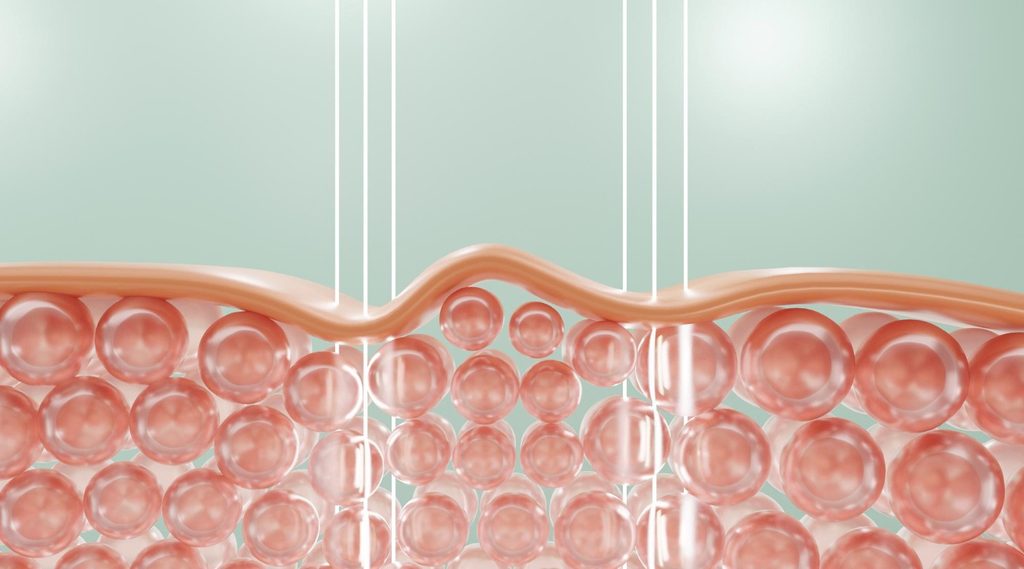
For patients who are not suitable candidates, or who simply prefer a non hormonal approach, Fotona laser is another option that some doctors may discuss as part of GSM management. Fotona laser is a non surgical treatment that uses gentle laser energy directed at the vaginal tissue. It is generally performed as an in clinic procedure and does not require anaesthesia or downtime in the way surgical options might. Some patients explore this option as a possible way to support vaginal tissue health without the use of hormonal treatment.
The number of sessions and the interval between them will depend on individual assessment, and this is something your doctor will discuss with you based on your symptoms and goals. As with any treatment, outcomes can differ between individuals, and Fotona laser should only be considered after a consultation with a qualified doctor to determine whether it may be a suitable option for your specific situation. Self diagnosing or starting any hormone based treatment without medical guidance is not advisable, which is why a proper discussion with your doctor matters before choosing between these options.
What to Watch For While Using Vaginal Oestrogen
If your doctor has prescribed vaginal oestrogen, it is worth knowing what changes to look out for. Most women tolerate it without issues, but as with any hormone-based treatment, some may experience side effects. You should let your doctor know if you notice any of the following:
- Rashes, bumps, or unusual irritation around the vaginal or vulval area
- Persistent itching, burning, or discomfort that does not settle
- Unusual vaginal discharge or a change in odour
- Unexpected vaginal bleeding or spotting, especially if you are postmenopausal
- Breast tenderness or swelling
- Any new lumps, pain, or symptoms that concern you
These symptoms do not necessarily mean the treatment is unsafe for you, but they are signs that should be reviewed by your doctor promptly rather than managed on your own. Your doctor may adjust the dosage, change the form of treatment, or advise stopping it altogether depending on what they find.
Everyday Habits That May Support Vaginal and Urinary Health

Alongside any treatment your doctor may recommend, some general habits may help support vaginal and urinary health after menopause:
- Staying well hydrated to help support regular urination
- Urinating after intimacy, which some doctors suggest may help clear bacteria from the urinary tract
- Wiping from front to back after using the toilet
- Choosing breathable, cotton based underwear and avoiding tight fitting bottoms for long periods
- Avoiding scented soaps, douches, or feminine hygiene sprays around the vaginal area, which may cause irritation
- Using a vaginal moisturiser for general dryness, if recommended by your doctor
- Keeping track of your UTI symptoms and patterns to share with your doctor at your next visit
These habits are generally considered supportive rather than curative, and they do not replace a proper diagnosis or treatment plan from your doctor.
Speak to Dr Fiona Wu at Aare Urocare
If you have been dealing with recurrent UTIs, vaginal dryness, or other symptoms of GSM after menopause, you do not need to keep managing this on your own. Dr Fiona Wu at Aare Urocare can assess your individual situation and discuss whether vaginal oestrogen, Fotona laser, or another approach may be suitable for you.
Book a consultation with Dr Fiona Wu at Aare Urocare to discuss your symptoms and find out what options may be appropriate for your situation.
Frequently Asked Questions
2. Can vaginal oestrogen cure recurrent UTIs?
Vaginal oestrogen is not a guaranteed cure. It is one option that some doctors may consider as part of a management plan for patients with GSM related recurrent UTIs, and outcomes can vary between individuals.
3. Is vaginal oestrogen safe for everyone?
No, it is not suitable for all patients, particularly those with certain hormone sensitive conditions. A doctor needs to review your medical history before deciding whether it may be appropriate for you.
4. What is Fotona laser and how is it different from vaginal oestrogen?
Fotona laser is a non-hormonal, non-surgical treatment that some patients discuss with their doctor as an alternative to vaginal oestrogen, particularly if they are not suitable candidates for hormonal treatment. Suitability should be assessed on an individual basis.
5. How do I know if my recurrent UTIs are related to menopause?
A doctor can help assess whether your recurrent urinary tract infections may be linked to GSM or other factors. This typically involves reviewing your symptoms, medical history, and may include further tests where appropriate.
6. When should I see a doctor about recurrent UTIs?
If you are experiencing UTIs that keep returning, or symptoms of vaginal dryness or urinary discomfort after menopause, it is advisable to consult a doctor rather than repeatedly self-treating, so the underlying cause can be properly assessed.
This article is for general information only and is not a substitute for professional medical advice. Please consult Dr Fiona Wu or another qualified doctor to discuss your individual symptoms and treatment options.